
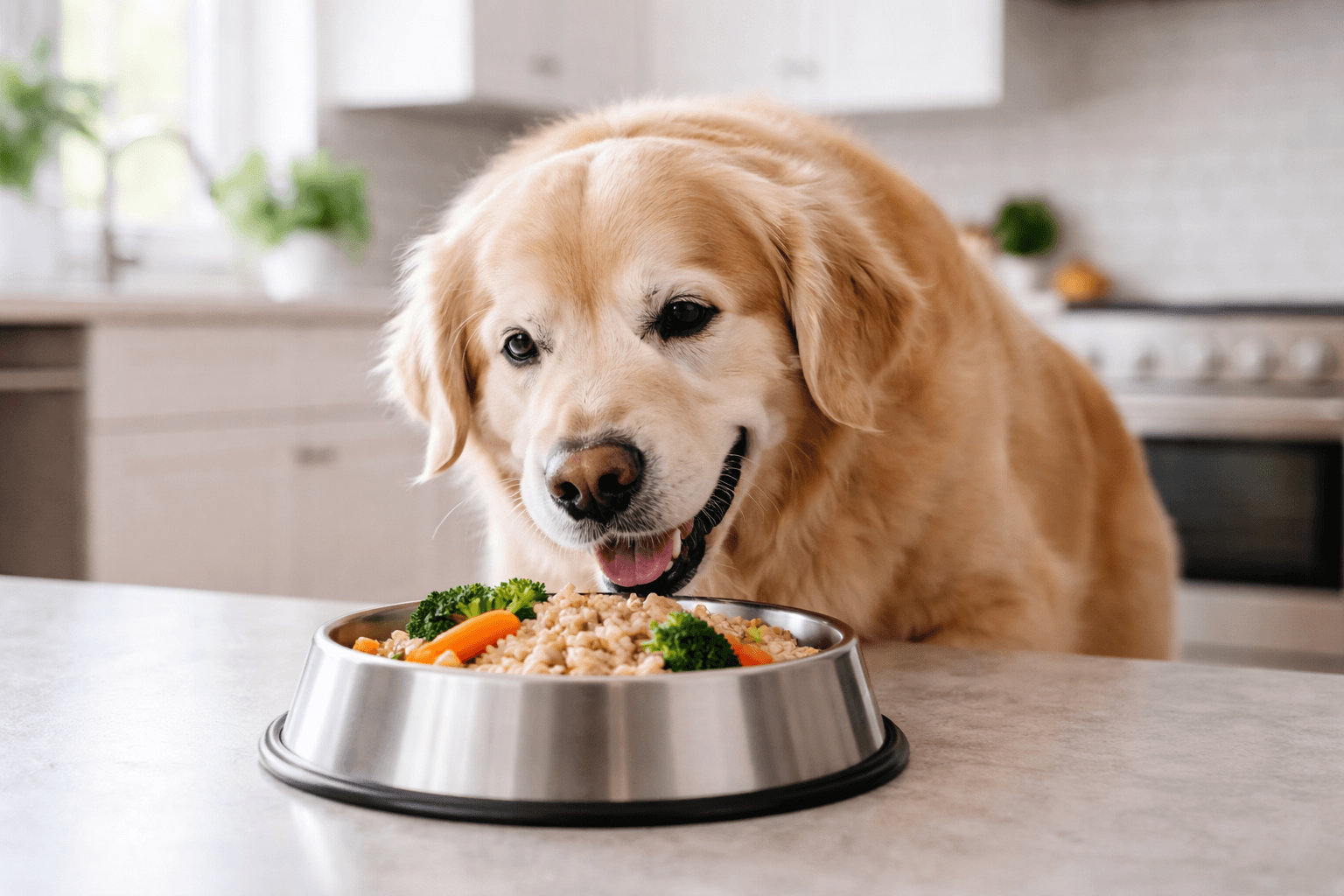
Introduction
As dogs enter their senior years, their bodies go through significant changes that directly impact their nutritional needs. Just like humans, aging dogs require a more carefully balanced diet to maintain their health, energy, and overall well-being. Feeding your senior dog the right nutrients can help prevent diseases, improve mobility, and extend their lifespan.
Senior dogs are more likely to face issues such as joint pain, obesity, digestive problems, and weakened immunity. That’s why understanding proper senior dog nutrition is not just important—it’s essential.
In this complete guide, you’ll learn what to feed your senior dog, what foods to avoid, how much to feed, and how to create the perfect diet plan for long-term health.
When is a Dog Considered a Senior?
A dog is considered “senior” depending on its size and breed:
- Small breeds: 10–12 years
- Medium breeds: 8–10 years
- Large breeds: 6–8 years
Larger dogs tend to age faster than smaller ones. As your dog enters this stage, you may notice changes like reduced activity, slower metabolism, weight fluctuations, and stiffness in movement. These changes require adjustments in diet and nutrition.
Why Nutrition is Crucial for Senior Dogs
Nutrition plays a major role in improving the quality of life of older dogs. A proper diet can:
- Maintain healthy body weight
- Support joint health
- Improve digestion
- Boost immunity
- Enhance coat and skin condition
- Increase lifespan
Poor nutrition, on the other hand, can worsen age-related health issues and reduce your dog’s overall comfort.
Key Nutritional Needs of Senior Dogs
1. High-Quality Protein
Protein is essential for maintaining muscle mass, which naturally declines with age. However, the protein must be high-quality and easy to digest.
Best sources:
- Chicken
- Turkey
- Fish
- Eggs
Avoid low-quality protein or fillers often found in cheap dog foods.
2. Healthy Fats
Fats are an important energy source and support brain function. Omega-3 fatty acids are especially beneficial for senior dogs.
Benefits of Omega-3:
- Reduces inflammation
- Supports joint health
- Improves skin and coat
- Helps cognitive function
Sources include fish oil, salmon, and flaxseed.
3. Fiber for Digestive Health
Older dogs often struggle with digestion. Fiber helps regulate bowel movements and improves gut health.
Good fiber sources:
- Pumpkin
- Sweet potatoes
- Brown rice
- Oats
4. Essential Vitamins and Minerals
Senior dogs need strong immune support. Important nutrients include:
- Vitamin E and C (antioxidants)
- Calcium and phosphorus (bone health)
- Glucosamine and chondroitin (joint support)
5. Proper Hydration
Older dogs are more prone to dehydration. Always ensure access to clean, fresh water. Wet food can also help improve hydration levels.
Best Foods for Senior Dog Nutrition 🥗
🥩 Lean Meats
Lean meats like chicken and turkey are excellent protein sources and easy to digest.
🐟 Fish
Fish like salmon and sardines are rich in omega-3 fatty acids, which help reduce joint inflammation.
🥕 Vegetables
Vegetables provide essential vitamins and fiber. Safe options include carrots, spinach, green beans, and pumpkin.
🍚 Whole Grains
Whole grains like brown rice and oats provide energy and are gentle on the stomach.
🥚 Eggs
Eggs are a complete protein source and help maintain muscle health.
Foods to Avoid 🚫
Some foods can be harmful or even toxic to senior dogs:
- Chocolate
- Grapes and raisins
- Onions and garlic
- Excess salt
- Fried or processed food
- Artificial sweeteners (like xylitol)
Avoid feeding table scraps, as they can lead to obesity and digestive issues.
How Much Should You Feed a Senior Dog?
The amount of food depends on several factors:
- Age
- Weight
- Activity level
- Health condition
General Feeding Guidelines:
- Feed 2–3 smaller meals per day
- Avoid overfeeding
- Monitor weight regularly
Portion control is extremely important, as senior dogs are less active and more prone to weight gain.
Special Diets for Common Senior Dog Health Issues
🦴 Joint Problems
Joint pain is common in older dogs.
Diet tips:
- Include omega-3 fatty acids
- Add glucosamine supplements
- Avoid excess weight
⚖️ Obesity
Obesity can worsen other health issues.
Diet tips:
- Low-calorie food
- High fiber content
- Controlled portions
🩺 Kidney Disease
Some senior dogs develop kidney issues.
Diet tips:
- Lower protein intake (only if recommended by vet)
- Reduce phosphorus
- Increase hydration
Always consult a veterinarian before making dietary changes for medical conditions.
Wet Food vs Dry Food: Which is Better?
Dry Food (Kibble)
✔ Helps maintain dental health
✔ Easy to store and serve
Wet Food
✔ Easier to chew for older dogs
✔ Higher moisture content
👉 Best option: A mix of both wet and dry food provides balanced nutrition.
Homemade vs Commercial Dog Food
Homemade Food
Pros:
- Fresh ingredients
- Full control over diet
Cons:
- Time-consuming
- Risk of nutrient imbalance
Commercial Dog Food
Pros:
- Nutritionally balanced
- Convenient
Cons:
- May contain fillers
👉 Best approach: Combine homemade and high-quality commercial food.
Signs of Poor Nutrition in Senior Dogs
Watch for these warning signs:
- Sudden weight loss or gain
- Low energy levels
- Dull or dry coat
- Bad breath
- Digestive issues
If you notice any of these, it may be time to adjust your dog’s diet.
Sample Daily Diet Plan 🐕
Morning Meal
- Boiled chicken + brown rice
Afternoon Snack
- Carrots or pumpkin
Evening Meal
- Fish or eggs + vegetables
Optional
- Small portion of high-quality kibble
Tips to Improve Senior Dog Nutrition
- Provide fresh water at all times
- Stick to a consistent feeding schedule
- Avoid sudden diet changes
- Include supplements if needed
- Regular veterinary checkups
Common Mistakes to Avoid
- Overfeeding
- Feeding low-quality dog food
- Ignoring weight changes
- Giving too many treats
- Not adjusting diet with age
Conclusion
Senior dog nutrition is one of the most important aspects of caring for your aging pet. A well-balanced diet tailored to your dog’s needs can significantly improve their quality of life, reduce health risks, and keep them active and happy.
By focusing on high-quality protein, healthy fats, fiber, and essential nutrients, you can ensure your dog enjoys their golden years to the fullest. Always monitor your dog’s health and make adjustments as needed.
Remember, a healthy diet today means a longer, happier life for your furry companion tomorrow.
“Great point! 👍
As dogs age, their metabolism, joint health, digestion, and immune system naturally change. That’s why using high-quality senior dog supplements can make a big difference in maintaining their energy and mobility.
In this article, we’ve shared some of the best senior dog supplements that can help support overall health—definitely worth exploring! 🐾”