
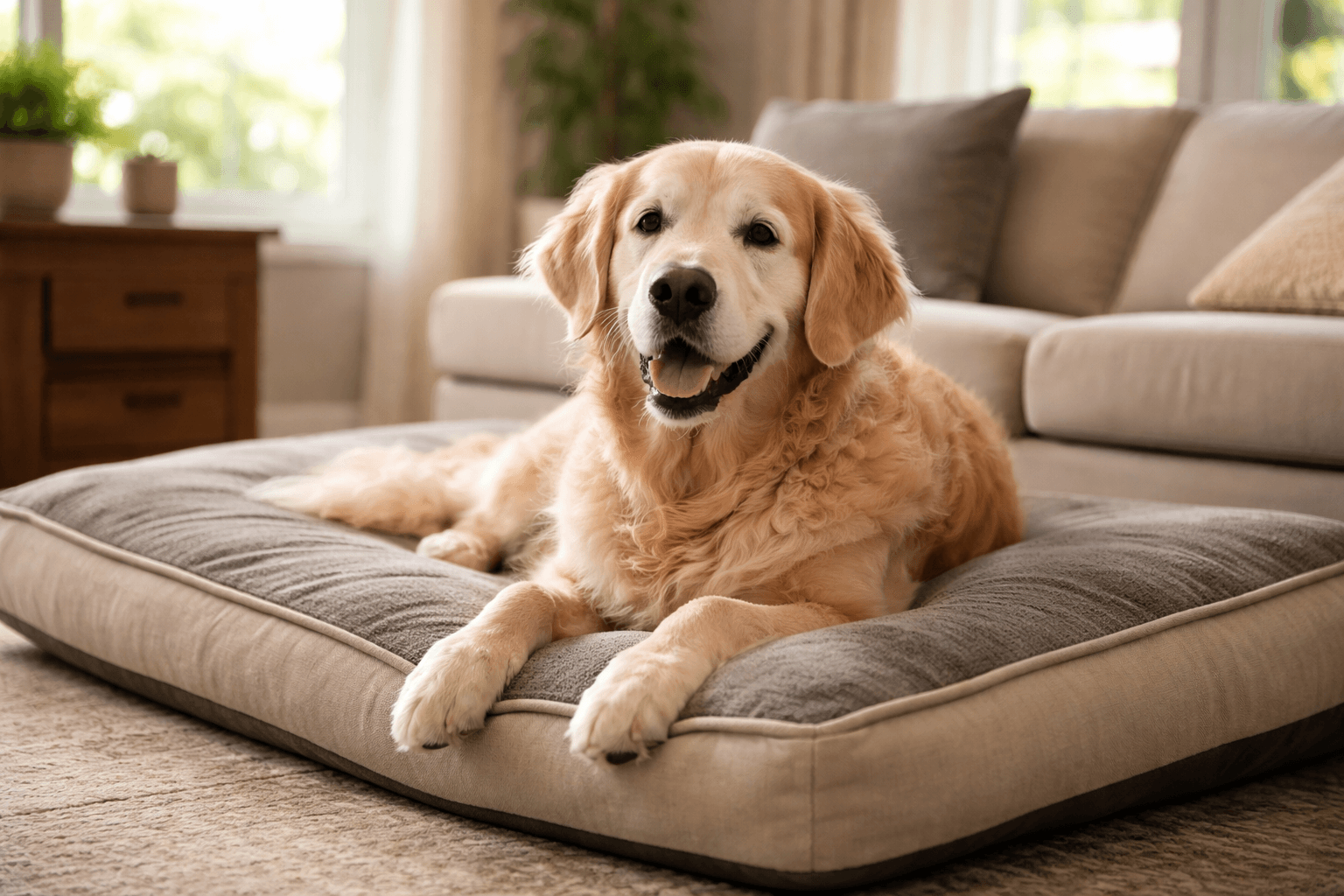
Learn the best senior dog health tips to keep your aging dog healthy, active, and happy. Complete guide with diet, exercise, care, and FAQ
Senior Dog Health Tips: Why Proper Care Is Important
Senior dog health tips are essential for pet owners who want their aging dogs to live longer, healthier, and happier lives. As dogs enter their senior years, their bodies go through several changes, including slower metabolism, weaker joints, and reduced immunity. Because of these changes, following the right senior dog health tips becomes crucial to maintain their quality of life.
Just like humans, senior dogs need extra care, attention, and love. With proper nutrition, regular exercise, and timely medical check ups you can ensure your dog enjoys their golden years comfortably.
Senior Dog Health Tips for Balanced Nutrition
Nutrition plays a major role in a senior dog’s overall health. As dogs age, their dietary requirements change significantly.
Choose Age-Appropriate Food
Switch to high-quality senior dog food that is specially formulated for older dogs. These foods usually contain fewer calories and more fiber.
Focus on Protein
Protein helps maintain muscle mass. Look for foods with high-quality protein sources like chicken, fish, or lamb.
Add Supplements
Some helpful supplements include:
- Glucosamine for joint health
- Omega-3 fatty acids for skin and coat
- Probiotics for digestion
Avoid Overfeeding
Obesity can worsen health conditions like arthritis and diabetes. Always control portion sizes.
Following these senior dog health tips ensures your dog gets the right nutrients without gaining excess weight.
Senior Dog Health Tips for Safe Exercise
Exercise is still important for senior dogs, but it should be adjusted according to their physical abilities.
Daily Walks
Short and slow walks help keep joints flexible and maintain a healthy weight.
Low-Impact Activities
Activities like swimming or gentle play are ideal for older dogs.
Watch for Signs of Fatigue
Stop exercise if your dog shows signs like heavy panting, limping, or tiredness.
Regular exercise is one of the most effective senior dog health tips to keep your pet active and mentally stimulated.
Senior Dog Health Tips for Regular Vet Checkups
Routine veterinary care becomes more important as your dog ages.
Frequent Checkups
Visit the vet at least every 6 months for a complete health check.
Early Disease Detection
Senior dogs are more prone to conditions like:
- Arthritis
- Kidney disease
- Heart problems
- Diabetes
Vaccinations and Preventive Care
Keep vaccinations, flea control, and deworming up to date.
These senior dog health tips can help detect problems early and increase your dog’s lifespan.
Senior Dog Health Tips for Dental Care
Dental hygiene is often ignored but plays a critical role in your dog’s health.
Brush Teeth Regularly
Use a dog-friendly toothbrush and toothpaste.
Provide Dental Chews
These help reduce plaque and tartar buildup.
Watch for Warning Signs
Bad breath, bleeding gums, or difficulty eating may indicate dental issues.
Good oral hygiene is one of the easiest yet most effective senior dog health tips.
Senior Dog Health Tips for Joint and Mobility Support
Joint problems are very common in older dogs.
Provide Orthopedic Bedding
A soft and supportive bed reduces pressure on joints.
Use Ramps
Ramps can help dogs climb onto furniture or into cars without stress.
Joint Supplements
Glucosamine and chondroitin can improve mobility and reduce pain.
These senior dog health tips help your dog stay comfortable and mobile.
Senior Dog Health Tips for Mental Stimulation
Mental health is just as important as physical health.
Interactive Toys
Puzzle toys keep your dog mentally engaged.
Training Sessions
Teach simple tricks to stimulate their brain.
Consistent Routine
Dogs feel secure when their daily routine is predictable.
Keeping your dog mentally active is a key part of senior dog health tips to prevent cognitive decline.
Senior Dog Health Tips for Grooming and Hygiene
Senior dogs need more frequent grooming to stay clean and healthy.
Regular Brushing
Prevents matting and keeps the coat shiny.
Nail Trimming
Long nails can cause pain while walking.
Skin Checks
Look for lumps, infections, or parasites regularly.
Proper grooming is one of the most practical senior dog health tips for early problem detection.
Senior Dog Health Tips for a Comfortable Environment
Creating a comfortable living environment is essential.
Warm Sleeping Area
Older dogs are more sensitive to cold.
Easy Accessibility
Keep food, water, and bedding within easy reach.
Stress-Free Environment
Avoid loud noises and sudden changes.
These senior dog health tips ensure your dog feels safe and relaxed at home.
Senior Dog Health Tips for Monitoring Behavior Changes
Behavioral changes can indicate health problems.
Watch for Changes Like:
- Loss of appetite
- Increased sleeping
- Confusion or disorientation
- Aggression or anxiety
Act Quickly
Consult a vet if you notice unusual behavior.
Monitoring behavior is one of the most overlooked senior dog health tips but extremely important.
Conclusion: Follow These Senior Dog Health Tips for a Happy Life
Following these senior dog health tips can significantly improve your dog’s quality of life. Aging is natural, but with the right care, your dog can remain happy, active, and comfortable. Always focus on proper nutrition, regular exercise, routine vet visits, and a loving environment.
Your senior dog has given you years of love—now it’s your turn to give them the best care possible.
FAQs on Senior Dog Health Tips
1. What age is considered a senior dog?
Most dogs are considered senior between 7 to 10 years, depending on their breed and size.
2. How often should I take my senior dog to the vet?
You should take your senior dog to the vet at least every 6 months for regular checkups.
3. What is the best diet for senior dogs?
A balanced diet with high-quality protein, low calories, and added supplements is ideal for senior dogs.
4. How much exercise does a senior dog need?
Senior dogs need light daily exercise such as short walks or gentle play sessions.
5. How can I improve my senior dog’s joint health?
Provide joint supplements, orthopedic bedding, and avoid high-impact activities.
6. Why is my senior dog sleeping more?
7. How do I know if my senior dog is in pain?
Signs include limping, whining, reduced activity, and changes in behavior. Regular veterinary checkups are essential for early detection of potential health issues, ensuring your senior dog maintains optimal well-being. Additionally, implementing a diet rich in high-quality proteins and appropriate supplements will support their nutritional needs as they age. Consistent, low-impact exercise is crucial for maintaining mobility and overall health, while careful attention to joint care can significantly enhance their quality of life. Monitoring behavioral changes, such as increased sleep or signs of discomfort, allows for timely interventions and adjustments to their care regimen.