
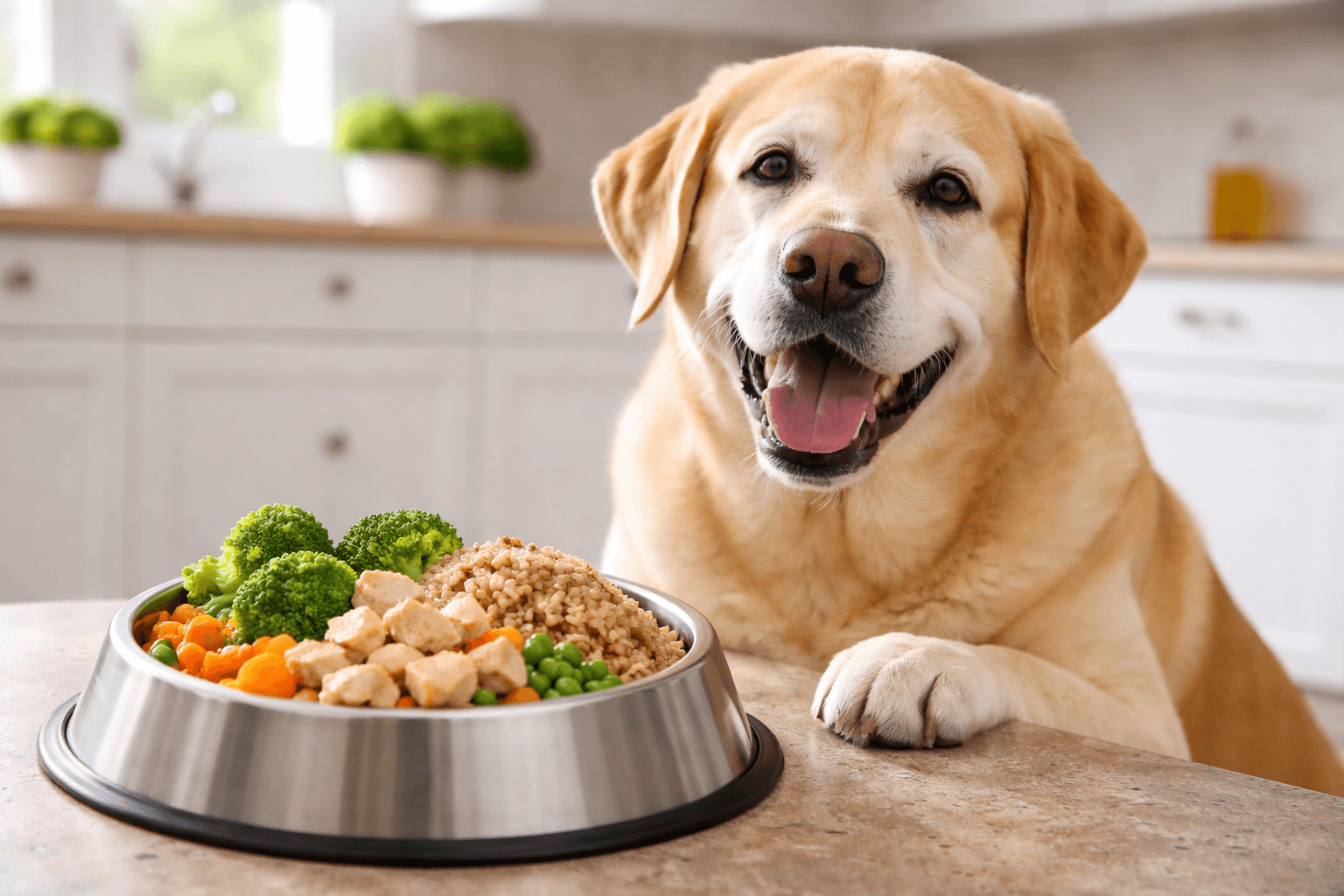
Senior Dog Nutrition: 10 Essential Tips for a Healthier, Longer Life
Ensuring proper senior dog nutrition is essential for your dog’s health and longevity. Aging dogs have special dietary needs, and focusing on senior dog nutrition can prevent common health problems.Providing the right balance of nutrients, adjusting portion sizes, and monitoring health markers can make a massive difference. This guide dives deep into the essentials of senior dog nutrition, offering expert-backed advice for every stage of your dog’s golden years.
Why Senior Dog Nutrition Matters
Aging dogs experience natural physiological changes that affect their nutritional needs. Metabolism slows down, lean muscle mass decreases, and organ efficiency—especially kidney and liver function—can decline. Poor nutrition accelerates chronic diseases, weight gain, and cognitive decline. On the flip side, proper nutrition can help:
- Maintain a healthy weight
- Support cognitive and joint health
- Reduce the risk of chronic diseases
- Enhance energy levels and vitality
Understanding these changes is the first step toward effective diet planning. Research shows that targeted diets for senior dogs can increase lifespan by 10–20% in some breeds, making nutrition a cornerstone of senior dog care.
Common Health Issues in Senior Dogs
As dogs age, they face a higher risk of:
- Arthritis and joint stiffness
- Obesity and weight fluctuations
- Kidney and liver dysfunction
- Dental problems
- Digestive sensitivity
- Cognitive decline (Canine Cognitive Dysfunction)
Nutrition directly impacts these conditions. For example, diets rich in omega-3 fatty acids reduce inflammation, high-quality protein prevents muscle loss, and antioxidant-rich foods combat oxidative stress. Recognizing early signs of these health issues can allow for timely dietary adjustments.
Essential Nutrients for Senior Dogs
Proper nutrition balances macronutrients and micronutrients to meet the changing needs of aging dogs. Each nutrient plays a vital role in maintaining overall health.
Proteins: Building Blocks for Aging Muscles
Senior dogs require high-quality proteins to preserve muscle mass and immune function. Consider these tips:
- Include lean meats like chicken, turkey, or fish
- Avoid excessive protein that may burden kidneys if there’s renal disease
- Monitor protein digestibility—animal proteins are preferred over plant proteins
Protein needs may range from 20–25% of daily caloric intake for most senior dogs.
Fats: Energy and Cognitive Support
Fats are crucial for energy, skin health, and brain function. Senior dogs particularly benefit from:
- Omega-3 fatty acids (EPA & DHA) for joint and cognitive support
- Moderate fat levels to prevent obesity
- Healthy sources like fish oil, flaxseed, or chicken fat
Carbohydrates: Energy and Digestive Health
Carbs provide sustainable energy and fiber for digestion:
- Complex carbs like sweet potatoes, pumpkin, or brown rice
- High fiber content supports regular bowel movements
- Avoid excessive simple carbs to prevent weight gain
Vitamins and Minerals
Key micronutrients in senior dog diets include:
- Calcium & phosphorus for bone health
- Vitamin D for bone and immune function
- Antioxidants (Vitamin C, E, selenium) to reduce oxidative stress
- B vitamins for energy metabolism and brain health
Hydration Tips for Senior Dogs
Dehydration is a common but often overlooked issue in senior dogs nutrition. Aging dogs may drink less water due to kidney function decline or dental discomfort. To prevent dehydration:
- Ensure constant access to fresh water
- Add water or broth to dry kibble
- Monitor urine color for signs of dehydration
Proper hydration supports digestion, kidney function, and joint health.
Choosing the Right Senior Dog Food
Selecting the best food for senior dogs involves evaluating nutritional content, ingredients, and specific health needs.
Reading Dog Food Labels Effectively
- Check protein sources and percentages
- Look for essential fatty acids and antioxidants
- Avoid fillers, artificial colors, and preservatives
Homemade vs Commercial Diets
- Homemade diets: Can be customized but require balanced nutrients
- Commercial diets: Convenient, regulated, and often fortified
- Ensure any homemade diet is formulated with veterinary guidance
Meal Planning and Feeding Schedules
Consistency is key in senior dog nutrition:
- Feed smaller, more frequent meals to aid digestion
- Adjust portion size according to activity level and weight
- Maintain a feeding schedule to regulate metabolism
| Meal | Suggested Amount | Notes |
|---|---|---|
| Breakfast | 25–30% of daily calories | Light protein, moderate carbs |
| Lunch | 25–30% | Include vegetables or fiber-rich foods |
| Dinner | 40–50% | Heavier protein, limited fats if overweight |
Supplements for Senior Dogs
Supplements can complement a balanced diet:
- Glucosamine & Chondroitin: Joint health
- Probiotics: Gut health and digestion
- Fish Oil (Omega-3): Anti-inflammatory benefits
- Antioxidants: Combat cognitive decline
Always consult a veterinarian before starting supplements to avoid overdosing or interactions.
Monitoring Your Senior Dog’s Weight and Health
Regularly tracking weight, body condition, and behavior is critical:
- Weigh your dog weekly
- Note changes in appetite or activity
- Schedule regular vet check-ups for early disease detection
Exercise and Nutrition: The Perfect Balance
Exercise complements nutrition to maintain:
- Muscle tone
- Cardiovascular health
- Weight management
- Mental stimulation
Low-impact activities such as swimming, walking, and gentle play are ideal for senior dogs.
Behavioral Changes and Appetite in Older Dogs
Aging affects appetite, which may fluctuate due to:
- Dental discomfort
- Reduced sense of smell or taste
- Chronic illness
Adapt meal textures, flavors, and feeding times to encourage consistent eating habits.
Integrating Mental Health Through Nutrition
Nutritional interventions can support cognitive health:
- Antioxidants like vitamin E and beta-carotene protect neurons
- Omega-3 fatty acids enhance memory and learning
- Diets enriched with medium-chain triglycerides (MCTs) may reduce cognitive decline
Common Mistakes in Senior Dog Nutrition
Avoid these errors:
- Overfeeding calorie-dense foods
- Ignoring vet advice or recommended diets
- Unmonitored supplementation
- Failing to adjust diet with age or health conditions
FAQ Section
1. At what age should I switch my dog to a senior diet?
Most dogs benefit from a senior diet around 7–8 years old, though this depends on breed size and health.
2. Can senior dogs eat puppy food?
Puppy food is high in calories and protein; long-term feeding can lead to obesity and kidney strain.
3. How can I tell if my dog is overweight?
Check for visible waistline, ribs that are hard to feel, or changes in energy levels. Consult your vet for precise assessment.
4. Are grain-free diets suitable for senior dogs?
They can be, but ensure they meet all essential nutrient requirements. Some grain-free foods may affect heart health in certain breeds.
5. Should I give my senior dog human food?
Only safe, non-toxic foods in moderation. Avoid onions, chocolate, grapes, and high-salt items.
6. How often should I change my senior dog’s diet?
Adjust diet based on life stage, activity, and health issues. Major changes should be gradual over 7–10 days to prevent digestive upset.
Conclusion
Caring for a senior dog goes beyond affection—it requires nutritional precision, careful monitoring, and lifestyle adjustments. A diet rich in high-quality proteins, healthy fats, fiber, and essential micronutrients supports longevity, cognitive function, and vitality. Combine nutrition with exercise, mental stimulation, and regular vet check-ups to ensure your senior dog enjoys their golden years to the fullest