
What Is Vestibular Disease in Dogs?
Vestibular disease in dogs is a condition that affects your dog’s balance system. It is often called the “dog vertigo” problem because it makes dogs feel dizzy and disoriented.
The vestibular system controls:
- Balance
- Head position
- Eye movement
When something goes wrong, your dog may suddenly lose balance or act confused.
Common Symptoms of Vestibular Disease in Dogs
Recognizing symptoms early can help your dog recover faster.
Key Signs to Watch For
- Sudden loss of balance
- Head tilt (very common)
- Walking in circles
- Falling or rolling over
- Rapid eye movement (nystagmus)
- Nausea or vomiting
- Difficulty standing
These symptoms can appear suddenly and may look scary—but don’t panic.
Causes of Vestibular Disease in Dogs
There are several possible causes of this condition.
1. Idiopathic Vestibular Disease
- Most common type
- Usually affects older dogs
- Cause is unknown
- Often improves on its own
2. Ear Infections
Inner or middle ear infections can damage the vestibular system.
3. Injury or Trauma
Head injuries can affect balance control.
4. Tumors or Growths
In rare cases, brain tumors can cause vestibular issues.
5. Toxic Reactions
Certain medications or toxins may affect the nervous system.
Types of Vestibular Disease in Dogs
Peripheral Vestibular Disease
- Affects inner ear
- More common
- Better recovery rate
Central Vestibular Disease
- Affects brain
- More serious
- Requires immediate medical care
Diagnosis of Vestibular Disease in Dogs
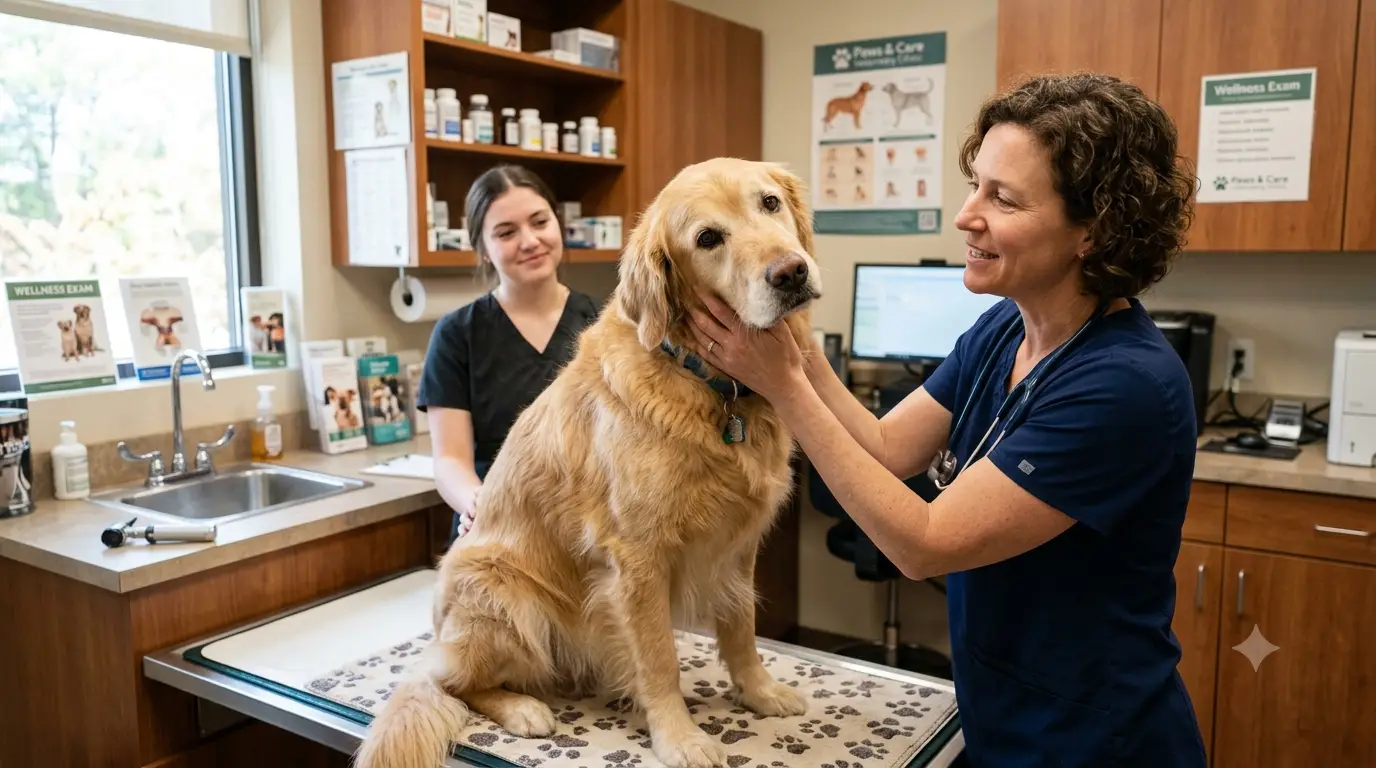
If your dog shows symptoms, a vet visit is important.
What Your Vet May Do
- Physical examination
- Ear check
- Blood tests
- X-rays or MRI (in serious cases)
Diagnosis helps rule out serious conditions like tumors or infections.
Treatment for Vestibular Disease in Dogs
Treatment depends on the cause.
Common Treatment Options
- Anti-nausea medications
- Antibiotics (for infections)
- IV fluids (if dehydration occurs)
- Supportive care at home
In many cases, especially idiopathic type, dogs recover without major treatment.
Home Care Tips for Faster Recovery
Helping your dog at home is very important.
Easy Care Tips
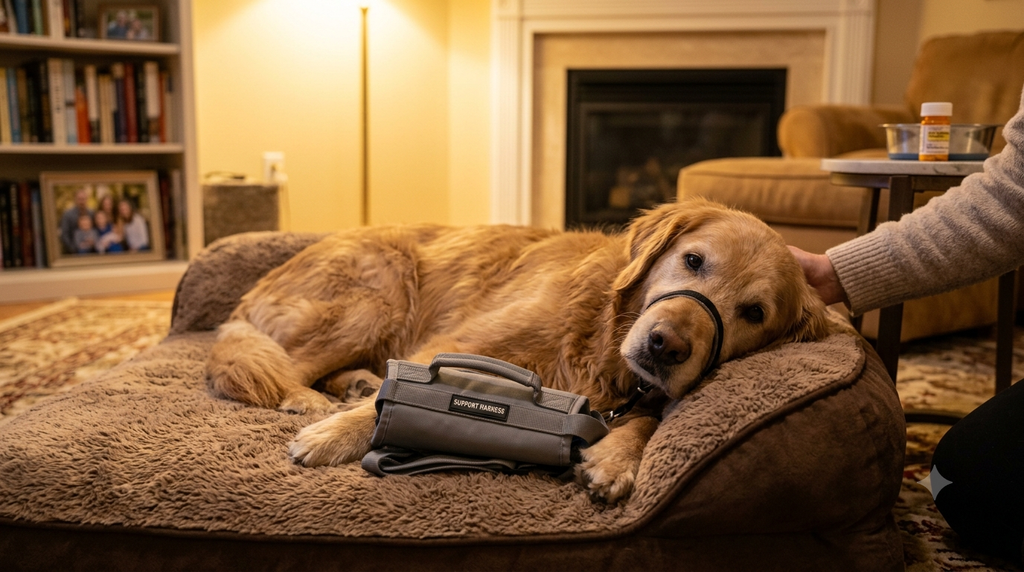
- Keep your dog in a safe, quiet place
- Use soft bedding to prevent injury
- Help them eat and drink
- Avoid stairs or slippery floors
- Offer emotional comfort
Most dogs start improving within 48–72 hours.
Recovery Time for Vestibular Disease
- Mild cases: 1–2 weeks
- Moderate cases: 2–3 weeks
- Severe cases: Longer recovery
Some dogs may have a permanent slight head tilt, but they live normal lives.
When Should You See a Vet Immediately?
Seek urgent help if:
- Symptoms are severe or worsening
- Your dog cannot stand at all
- There are signs of pain
- Symptoms last more than a few days
Is Vestibular Disease Dangerous?
In most cases:
- It is not life-threatening
- It looks worse than it actually is
- Dogs recover well with care
However, serious causes (like tumors) require medical attention.
Real-Life Example (Storytelling)
Imagine your happy dog suddenly starts tilting their head and falling over. It feels frightening.
But many pet owners report that after a few days of care, their dog slowly returns to normal—wagging their tail again.
This shows how temporary and manageable this condition often is.
FAQs About Vestibular Disease in Dogs
1. What triggers vestibular disease in dogs?
It can be caused by ear infections, aging, injury, or sometimes unknown reasons.
2. Can vestibular disease go away on its own?
Yes, especially idiopathic cases often improve within a few weeks.
3. Is vestibular disease painful for dogs?
It is usually not painful but can make dogs feel dizzy and uncomfortable.
4. Can young dogs get vestibular disease?
Yes, but it is more common in older dogs.
5. How do I help my dog recover faster?
Provide a safe environment, assist with feeding, and follow vet advice.
6. Will my dog fully recover?
Most dogs recover fully, though some may have a slight head tilt.
🏁 Conclusion – Stay Calm & Support Your Dog
Vestibular disease in dogs may look scary, but in most cases, it is treatable and temporary.
With proper care, patience, and love, your dog can recover and return to a happy life.
👉 If you notice symptoms, don’t delay—consult your vet and start care early.
🎯 Call-To-Action (CTA)
💬 Have you ever experienced vestibular disease with your dog?
Share your story in the comments and help other pet owners!
1 thought on “Vestibular Disease in Dogs-2026”